
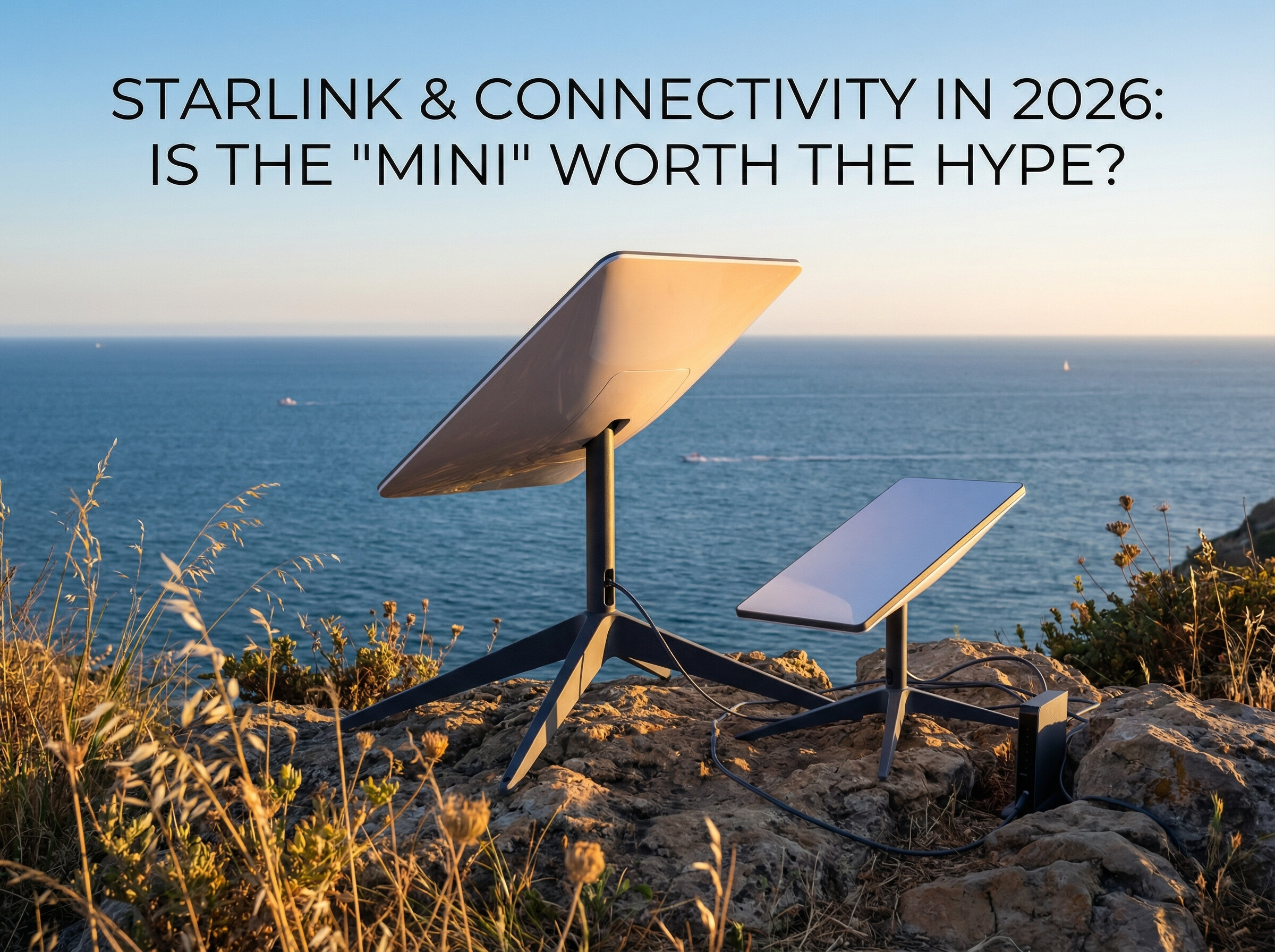
Staying connected is something I see as non-negotiable for anyone on the road full-time in 2025 into 2026. Starlink has really changed the game for RVers, digital nomads, vanlifers, and remote workers, but the latest buzz comes from the Starlink Mini. This compact dish has everyone talking, especially after Starlink’s software update cutoff in late 2025. There’s some confusion about what the Mini can do, what it can’t, and whether it’s worth the hype in day-to-day use, especially compared to the bulkier standard setup.
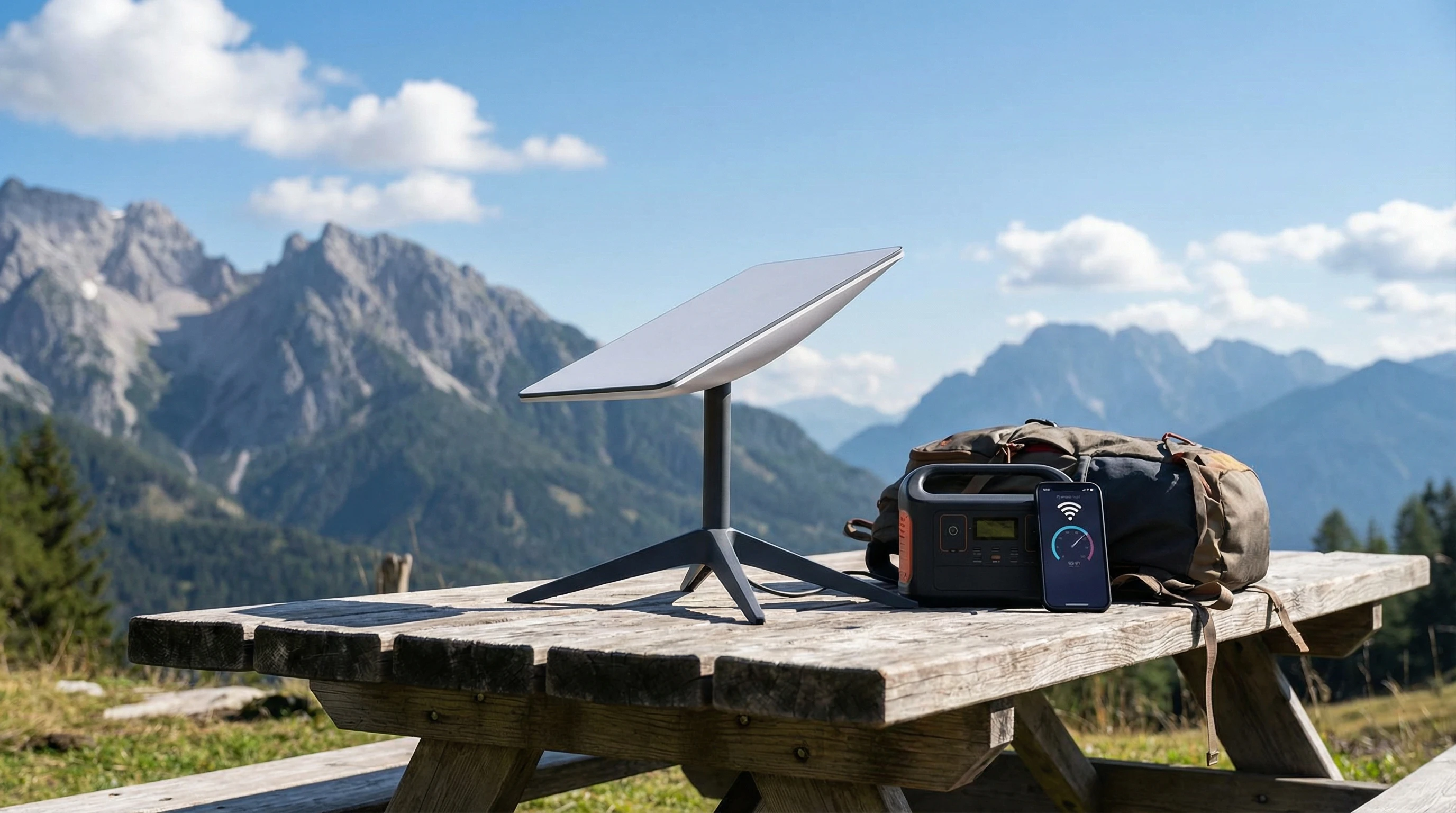
Table of Contents
- Starlink Mini at a Glance: What’s New?
- Understanding Connectivity Needs on the Road
- Starlink Mini vs. Standard Dish: Which One is Right for Travelers?
- Considerations Before Switching to Starlink Mini
- Starlink Mini FAQs for 2025-2026
- Wrapping Up: Is the Starlink Mini Worth the Hype in 2026?
Starlink Mini at a Glance: What’s New?
The Starlink Mini caught my eye because of its portable design and how much easier it is to pack away. It’s basically Starlink’s answer for people who can’t or just don’t want to mount a giant dish on their van or trailer. The Mini is small enough to throw in a backpack, weighs under three pounds, and runs entirely off USB-C power, which is pretty handy if you’re running a tight, solar-based setup.
Reception quality has always been a worry with smaller dishes, but the Mini has surprised a lot of skeptics. It actually uses the same satellites as the standard dish but with a focused, updated antenna array that offers speeds in the 70–120 Mbps range under clear skies. For travelers who want to work, stream some video, and stay in touch, that’s plenty.
Starting in early 2026, every Starlink device had to run the latest firmware (thanks to that software update deadline), and this brought a much more stable experience to the Mini. That said, not every feature on the Standard dish is available on the Mini. Mesh networking and built-in Ethernet require dongles, for example, and it doesn’t support higher end business tiers directly.
Understanding Connectivity Needs on the Road
When you’re fulltiming, running a business, homeschooling, or keeping up with remote work, connection drops instantly become more than just an inconvenience. It’s easy to take fast internet for granted at home, but out on the road, even a single patch of dead zone can throw your whole day off.
Testing of both the Starlink Mini and the standard setup has been done in locations ranging from remote backcountry areas to suburban campgrounds. The most noticeable difference is the Mini’s ability to maintain a solid signal almost anywhere with a clear view of the sky, all without requiring much roof space. That level of portability makes it an ideal option for small rigs, tent setups, and campsites that change every few days.
The recent software cutoff in 2025 added some confusion, especially for people using secondhand hardware. As of now, Starlink requires all devices—including Minis—to have automatic firmware updates enabled to access the network. This mostly runs in the background, but it’s important to doublecheck after setup, since missing that update cycle basically bricks connectivity until you update manually somewhere with service.
If you’re someone who frequently explores remote locations where updates might not get downloaded quickly, consider planning to check in at a public Wi-Fi spot or campground with reliable service every couple of weeks. This practice will help prevent unforeseen interruptions caused by outdated firmware. You don’t want to learn this the hard way after spending several days unable to connect due to a missed update window. Keeping that on your to-do list makes a big difference.
Starlink Mini vs. Standard Dish: Which One is Right for Travelers?
Deciding between the Starlink Mini and the Standard dish really comes down to your travel style, power needs, and flexibility. I’ve broken down my key findings below based on real-world use:
Portability: The Mini is supereasy to move, stash, or set up on a picnic table if you’re camped under trees. The Standard dish needs to be mounted or packed with care; it’s much heavier and takes up notable roof space.
Power Draw: Here’s where things get interesting. The Standard dish pulls about 45–65W when running. Many off grid people I know needed to beef up their battery banks or run generators just to keep their Wi-Fi up. The Mini sips power, using a steady 18–22W thanks to its USB-C design. Even small solar trailers or camper vans can keep it online all day, which is an absolute win if you don’t want to babysit your batteries.
Internet Speeds: The Standard dish is still the speed king, especially if you’re set up in open country. I regularly hit 150–250 Mbps downloads with it. The Mini cruises comfortably at 70–120 Mbps. Honestly, unless you’re streaming tons of 4K video or running a shared remote office, the Mini’s speeds are just fine for most digital nomad routines.
Reliability: Both dishes rely on direct sky access, but the Mini is a bit more sensitive to obstructions. If you spend lots of time camping in forests or tight canyons, it can struggle more than the Standard. On open ground, they’re about equal. Overall, most RVers will find the Mini gets the job done if they’re willing to reposition the dish for a clear shot at the sky.
Hardware and Setup: The Mini can be set up almost anywhere in about two minutes, even while boondocking. The Standard requires more setup and sometimes permanent hardware. Some RVers in larger rigs still appreciate the Standard’s ability to handle heavier usage or shared connections, but for agile solo travelers, the Mini is tough to beat.
Considerations Before Switching to Starlink Mini
The Mini is a game changer for some people, but there are definite trade-offs. Here’s what stood out to me:
- Power supply: The USB-C input is super useful, but you need a solid battery or solar setup if you’ll be offgrid for longer stretches.
- Obstruction sensitivity: If you’re mostly in welltreed, mountainous, or urban areas, you might still want to keep a backup cellular hotspot handy for unavoidable dead zones.
- Firmware updates: Everyone needs to keep their Mini updated for full satellite access, so doublecheck your device is on autoupdate, especially if you buy secondhand.
- Accessories: The Mini uses a new snapon tripod/stand, but some older mounts and covers are not compatible. This is worth budgeting for during your switch.
It’s also smart to think about how your specific travel routine matches up with Starlink coverage. For example, extended stays in US national parks can sometimes mean tricky satellite acquisition due to landscape, but the perks of having true internet everywhere still outweigh occasional hiccups. RVers who love long-term boondocking and off-grid camping frequently report the Mini as an absolute essential, but accept that a cell backup plan is still good insurance.
Personally, I plan on staying with the standard Starlink system I bought in 2022. I’ll just make sure to connect every so often for software updates.
Mini for RVers, Vanlifers, and Remote Workers
I heard about the Mini from friends with everything from Class B vans to compact trailers. The feedback was really positive for solo travelers, part-time RVers, and digital nomads with streamlined setups. Families with high data needs or someone running a heavyduty home office often still opt for the Standard setup.
- Solo travelers: LOVE the easy mobility and minimal power draw.
- Compact rigs: Benefit from the low profile and fast setup—even more so for those who move camp often.
- Offgrid: Mini’s power efficiency shines when running on 12V or solar banks.
- Families or pro users: Might need the Standard for serious speed or bandwidth.
For digital nomads who jump between tiny cabins, Airbnbs, and tent sites, the Mini’s versatility more than makes up for its modest speed cap. For those who livestream for a living or coordinate group work sessions daily, however, the Standard still holds the crown for seamless performance.
Starlink Mini FAQs for 2025-2026
Q: Can I use the Mini as my only connection?
A: If you mostly work online, stream in HD, and travel with a single device or two, you’ll be happy. If you need ultrahigh speeds or load up multiple devices, you’ll probably notice the cap on speeds and data.
Q: Is the Mini still good in bad weather?
A: Performance drops in heavy rain or snow, just like the Standard dish. The Mini seems to handle light weather well, but you’ll want to clear off snow to avoid slowdowns. If you camp in regions with heavy winter weather, keep a brush handy to remove buildup.
In the experience of many, a brief dusting of snow had a slightly bigger impact on the Mini compared to the Standard, but the speeds remained usable for basic tasks. Don’t expect to game or host long video calls through a blizzard, but for weathering a quick storm, the Mini holds its own.
Q: Do I need special power gear?
A: Just a USB-C PD (Power Delivery) supply, rated for at least 30W. Many modern power stations and van battery setups support this. If you have a generator or high-output portable battery, you’re all set.
Q: What’s the biggest downside?
A: Heavily obstructed campsites. Anywhere with dense tree cover or canyons can be frustrating unless you can reposition the dish away from obstructions. It’s always helpful to scout out the most open spot in your campsite before setup. If you rely on Wi-Fi constantly and plan on camping under the trees for days, be ready to turn to your cell data backup.
If staying connected matters on the road, now’s the time to take a closer look at what the Starlink Mini can really do for your travel lifestyle. Dive into this guide to see whether the Mini fits your setup, your power needs, and the way you move from place to place. If you’re ready to simplify your connectivity and finally ditch the stress of unreliable campground Wi-Fi, explore the full breakdown and decide if the Mini belongs in your 2026 gear lineup.
Wrapping Up: Is the Starlink Mini Worth the Hype in 2026?
The Starlink Mini makes connectivity less stressful on the road, especially if you’re looking for something simple, portable, and powerefficient for 2026. For digital nomads, solo travelers, and anyone who wants to avoid roof drilling and complicated installs, it’s definitely worth a look. Bigger families or remote workers with more demanding tech needs still get more value from the Standard setup. Either way, Starlink keeps raising the bar for staying online on the move. In my experience, the Mini lives up to most of the buzz it gets.
Keeping a backup connection or boosting your signal with a cell hotspot still makes sense, but for everyday use in 2026, the Starlink Mini has made truly mobile satellite internet as easy as it’s ever been. Whether you’re just beginning your nomad adventure or are a seasoned fulltimer, the Mini stands out as a smart, flexible choice to keep you connected almost anywhere.
About the Author
Jim has 3.5 years of experience living and traveling full-time in an RV. From “moochdocking” with family and friends to navigating the financial intricacies of RV life, he shares practical advice rooted in firsthand experience. His goal is to help fellow adventurers embrace the RV lifestyle with confidence and ease.
No affiliate links in this post, but you can peek at our affiliate disclosure.