
So, you’re thinking about hitting the road in style with a shiny new RV. But first, you gotta know your Class As from your Bs, Cs, and all those nifty towables out there. Each type offers its own blend of benefits, so picking the right one can make or break your adventure. Today I’ll help break it down for you.
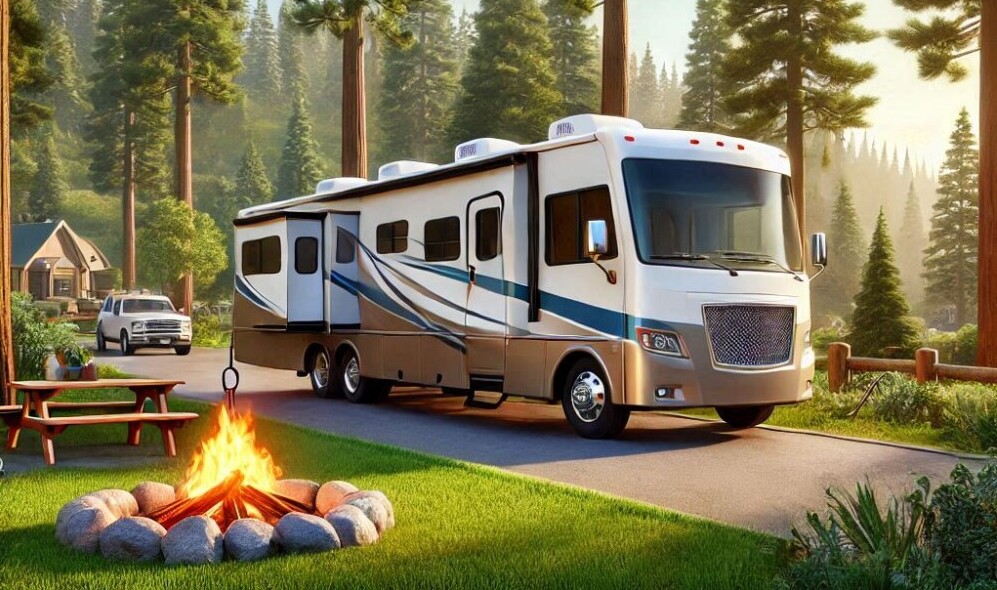
- Let’s kick off with Class A motorhomes—those big rigs you see cruising down the highways. These are like rolling hotels with all the bells and whistles: think kitchens, bathrooms, and sometimes even a washer-dryer combo. These beasts offer luxury and are great for those who plan to spend extended periods on the road. But, hey, remember they can be a challenge to drive and park, especially in smaller campgrounds.
- Next, Class B, the chic and compact camper vans, might be what you’re looking for if you prefer a mix of urban and wild camping. They’re usually more maneuverable, good on fuel, and sneakily slide into regular parking spots. Expect tighter living quarters, but for many, the trade-off is worth it for that zippy road experience.
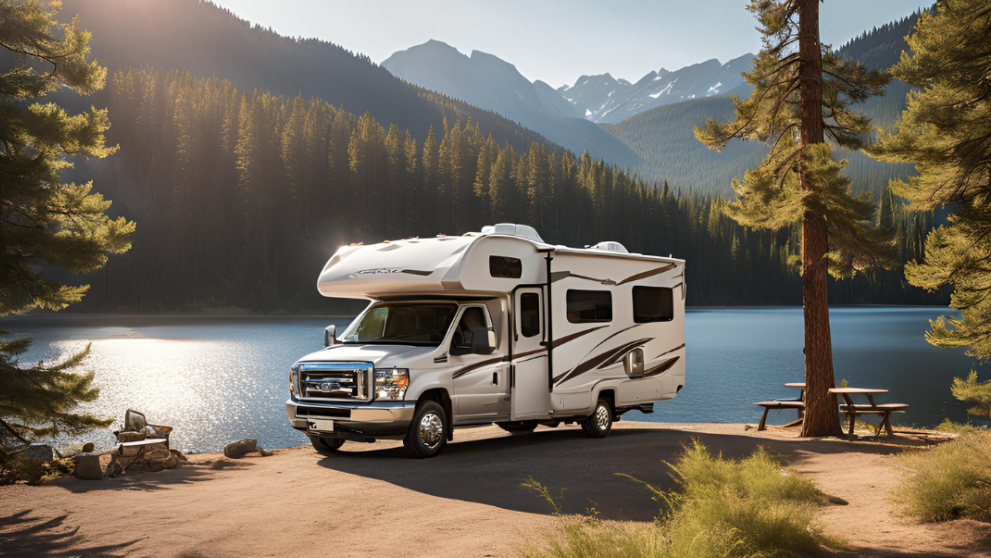
- Class C motorhomes offer a middle ground between A and B. They give you a bit more space than a B, perched on a truck chassis, but without the juggernaut size of a Class A. Families find these appealing because they often have the safety of a separate driver’s cabin with a cozy living area attached.
- Towables, like fifth wheels and travel trailers, are your best bet if you want to unhitch and explore the locale. Fifth wheels require a special truck hitch but do offer that apartment-on-wheels vibe. Travel trailers can be pulled by a variety of vehicles, giving you flexibility.
- Finally, pop-up campers round out your choices. Pop-up campers—the tent-trailer hybrids—are perfect for that back-to-nature feel while still offering some creature comforts.
Deciding the Right Type of RV for Your Lifestyle
Figuring out the right RV to match your lifestyle is key. It’s like finding the perfect pair of shoes—you want it to fit effortlessly and match your vibe. Start by asking yourself how often you’ll be adventuring. Are you planning epic cross-country road trips or weekend getaways? If you’re all about long hauls and living on the open road full-time, a Class A might be your best bet. For shorter, sporadic trips, those towables or camper vans might be more your speed.
Next, let’s talk space. Who’s coming along for the ride? Family or solo trek? If it’s the former, space is crucial, and maybe that Class C with its bunk beds and ample storage is calling your name. Traveling solo or with just a partner? Class B or a compact towable could offer just enough room without excess.
Amenities also play a massive role. Think about what you can’t live without on the road. If having a full kitchen to whip up culinary creations is your thing, Class A and fifth wheels often boast the best setups. But if you’re planning on eating out or only prepping simple meals, a smaller built-in kitchenette in a Class B may suffice.
Budget matters, of course, so factor in not just the purchase price but ongoing costs like fuel, maintenance, and storage. Smaller RVs typically mean lower running costs, which might allow more room in your wallet to enjoy experiences on the road.
Ultimately, consider how an RV fits into your broader lifestyle. Want to set up camp for weeks and explore deeply, or move quickly from one spot to the next? Your choice here influences which RV becomes your home away from home.
Insights Gained from RV Veterans: What I Wish I Knew
Getting into RV life sounds amazing, but there are a few nuggets of wisdom I’ve picked up from RV veterans that could save you some headaches. One of the biggies? Hidden costs can pile up quicker than you expect. Beyond that sticker price, think maintenance, insurance, campsite fees, and maybe even storage fees if your driveway space is lacking. Budgeting means considering all those little extras.
Before making any purchasing decisions, taking a test drive and getting a thorough quality inspection is crucial. RVs can handle like a beast and ensuring you’re comfy behind the wheel or judging what’s too unwieldy can’t be stressed enough. Get that professional inspector to crawl around checking for leaks or potential issues, too. You don’t want unexpected surprises ruining your adventures.
Depreciation isn’t a fireworks display, but it’s something to ponder if you might resell your RV someday. The festive allure of brand-new fades fast in value terms, so if that’s a concern, considering a well-kept used model might allow you to sidestep a depreciation pitfall.
One more thing—consider the actual lifestyle, not just the Instagram expectation. Let’s not sugar coat reality: Things break, weather complicates plans, and space can feel tight. Yet, that’s exactly where the charm and authenticity of having adventures on the road shines through. Being prepared with a realistic vision keeps surprises pleasant instead of problematic.
Common Mistakes to Avoid When Buying an RV
When thinking about buying an RV, some pitfalls can trip up even the most prepared of us. One thing to watch out for is ignoring how much your vehicle can tow. It’s easy to be dazzled by sleek interiors and flash gadgets, but if your ride can’t handle the weight, you’re in a world of trouble. Always match the RV specs to what your vehicle can safely manage.
Here’s a trap I see folks fall into: putting too much emphasis on aesthetics while glossing over functionality. Glamorous fireplaces and fancy upholstery are great, but they won’t get you far if your floor plan isn’t practical or the kitchen barely fits a kettle. Think practically; what works in daily use beats pretty designs that don’t.
Another sneaky aspect is warranty coverage and after-sales service. Lots of us overlook this, but knowing what’s covered and what isn’t could save huge headaches down the line. Investigate the fine print and make sure you understand it fully before you commit.
While buying an RV is exciting, focusing purely on size can be misleading. Sure, bigger might mean more space, but it often leads to increased costs and less maneuverability. Think about where you plan to roam and if a monster RV would squeeze comfortably into those beloved camp spots.
Finally, consider your budget for maintenance. With any vehicle, keeping it in top shape prevents long-term issues. Regular checks, cleaning, and being prepped for seasonal considerations can extend the life and joy of your RV.
Comparing RV Classes: Finding the Perfect Fit
Choosing the perfect RV is like solving a puzzle, figuring which piece fits your travel dreams best. Cost matters here, especially since each class has its financial quirks. Class A luxury comes with a hefty price, whereas a travel trailer might be more wallet-friendly both upfront and long-term.
Space and comfort play a big role. If family trips are your thing, think about how much room everyone’s going to need. Class A’s spacious interiors might spoil you with room to stretch, but Class B’s compact size may suffice for folks who travel light and value efficiency over grandeur.
Technological bells and whistles can be the cherry on top. Some Class A rigs come packed with all the latest tech—think smart systems running everything from lights to the A/C. Yet, this might be overkill if you’re more about getting back to basics and being off the grid.
It’s all about tailoring this mobile lifestyle to suit you and yours. Consider what’s necessary versus what’s just nice because that balance will be what keeps your wheels turning while you take in new sights.
To wrap it up, make sure whatever class you choose complements your style of travel. Whether it’s weekend sprints or slow-paced exploration, there’s an RV fit for your wildest road-bound ambitions.
HI Jim, thanks for your interesting post on RV’s. They certainly have come a long way since the humble caravan and offer so much more in luxury and extras.
You mentioned Hybrid? how many companies are selling hybrid options? is this something new or has it been around for some time and is it only in the States?
Would a hybrid affect the towing power of a RV compared to normal fuel?
Regards Helen.
Hello Helen, thanks for your comment. We just came off the road after traveling and living in an RV for the last 3.5 years. Three different RVs! All with amazing features and creature-comforts.
As for hybrid, I was speaking about popup campers that are a hybrid trailer and tent. But that brings up an interesting conversation. There are hybrid and full electric RVs in the works. I’m looking forward to details about those as things develop. I’ve seen Tesla’s pulling small, teardrop style campers. I’ve seen Cyber Trucks pulling towable trailers.
The future should be bright regarding newer and more efficient motorized RVs and vehicles to tow camper trailers.
Best Regards, Jim