
RV adventures bring freedom and flexibility, but they also mean you need to be prepared for unexpected repairs. Whether you’re on a long journey or parked at a remote campground, having the right spare parts and tools can save you from a lot of hassle. There can always be RV travel day dangers to overcome. This article explains what to carry, from essential spare parts for your motorhome to the basic and specialized tools that help keep your RV in top shape.
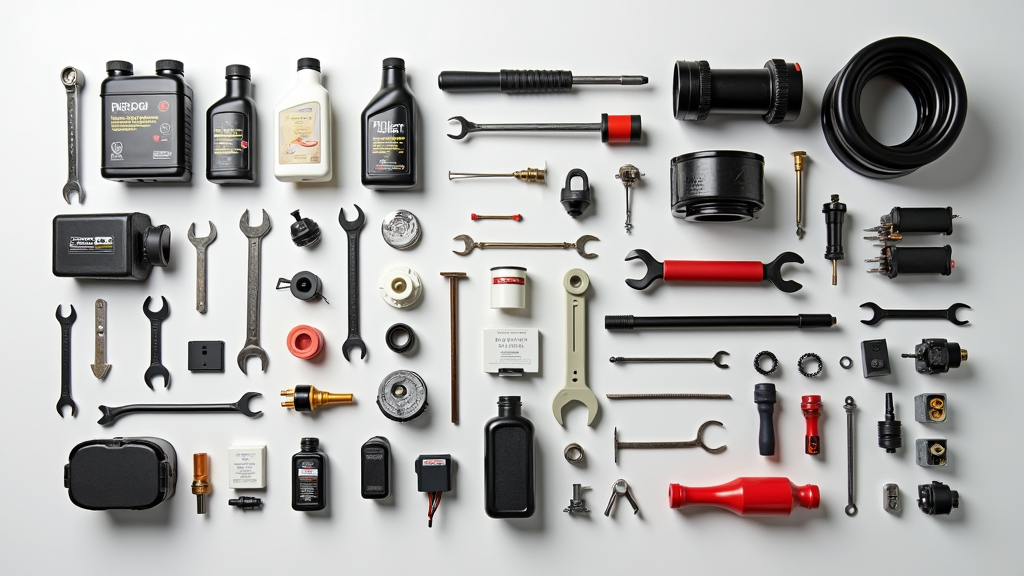
Table of Contents
- Essential Spare Parts for Your RV
- Essential Tools for RV Maintenance
- Quick Guide to Staying Prepared on the Road
- Common Challenges and Considerations
- Advanced Tips for Using Your Spare Parts and Tools Effectively
- The Essentials: Prioritizing What to Carry
- Frequently Asked Questions
- Wrapping Up Your RV Preparedness
Essential Spare Parts for Your RV
Your RV is like a small home on wheels, so a few key spare parts can be invaluable when you’re far from a service center. Stocking up on these parts helps you address minor issues before they turn into major problems.
Start with components that tend to wear out or fail over time. For example, fuses and relays are necessary in maintaining the electrical system. Motorhomes often use common amperages, so ensuring you have the correct types on hand saves time during repair work.
- Fuses & Relays: Keep a variety of common amperages that are compatible with your RV’s electrical system.
- Spare Bulbs: Include headlights, taillights, brake lights, and interior bulbs. These are quick fixes when illumination is critical.
- Hose Clamps & Spare Hoses: Have extra coolant hoses and fuel line hoses to combat leaks or internal hose bursts.
- Serpentine Belt: If your motorhome uses one, having a spare can be a lifesaver if the belt shows signs of wear.
- Extra Engine Oil, Coolant, and Transmission Fluid: Keeping a reserve helps you top off fluids during long trips.
- Brake Fluid & Power Steering Fluid: Wrong or low fluid levels can cause steering or braking issues, so it’s good to keep spares.
- DEF (Diesel Exhaust Fluid): If your RV uses diesel, having extra DEF helps maintain your engine’s performance.
- Fan Belt: For older models, a spare fan belt separate from the serpentine belt can prevent overheating.
- Spare Tire, Tire Repair Kit, and Valve Stems: Along with a portable air compressor, these items help handle tire issues on the road.
- Windshield Wiper Blades: Better safe than sorry if a sudden downpour leaves you with poor visibility.
- Electrical Connectors & Spare Wire: Useful for making quick connections or addressing minor electrical faults.
- Duct Tape & Electrical Tape: Quick fixes for leaks or damaged wiring are part of every good road kit.
- Self-Tapping Screws & Assorted Fasteners: These are great for temporary fixes or securing loose parts on your RV.
Essential Tools for RV Maintenance
Tools are just as important as spare parts. Carrying a versatile mix of basic hand tools, emergency supplies, and RV-specific tools ensures you are ready for any minor setback along the journey.
Basic Hand Tools
Keeping a collection of basic hand tools is essential for routine maintenance and small repairs. Think of these tools as your everyday companions when you need to tighten a bolt or adjust a connection.
- Adjustable Wrenches (Small & Large): Perfect for a variety of fittings on your RV.
- Socket Set (Metric & Standard): A must for tackling bolts and securing fixtures.
- Screwdrivers (Flat & Phillips): Essential for a wide range of repair tasks.
- Needle-Nose & Regular Pliers: Handy for reaching tight spaces and gripping small parts.
- Allen Wrenches/Hex Keys: Many RV components require these for adjustments and assembly.
- Rubber Mallet: Ideal for dealing with awnings or parts that require a gentle tap.
- Vice Grips: Their firm grip is useful in holding items together during repairs.
Emergency & Repair Tools
Sometimes, a standard toolkit won’t be enough during roadside emergencies. The right emergency tools can help diagnose problems quickly or even provide temporary fixes until you can reach a repair facility.
- Multimeter: Use this for troubleshooting electrical issues in your RV.
- Battery Terminal Cleaner & Jumper Cables: These help avoid problems related to dead batteries, ensuring you can start up when needed.
- Tire Pressure Gauge & Portable Air Compressor: Proper tire inflation is key for safe travels.
- Jack & Lug Wrench: Essential if your motorhome has a spare tire, making tire changes manageable.
- Cordless Drill & Drill Bits: Useful for quick repairs or adding hardware during modifications.
- Hacksaw or Utility Saw: Can assist with cutting metal or plastic parts when necessary.
- Torque Wrench: Ensures that lug nuts and bolts are tightened to the proper specification.
- Sealant & Adhesives: Items like silicone sealant, epoxy, and JB Weld are great for sealing leaks and making small repairs.
- Hose Repair Kit: Keeps you prepared for temporary fixes on water or fuel hoses.
RV-Specific Tools
An RV comes with unique systems that may require special tools. Having these tools at hand makes maintenance and repairs more efficient.
- Water Pressure Regulator: Protects your RV’s plumbing system from sudden pressure changes.
- RV-Specific Wrench Set: Designed for propane connections, leveling jacks, and other RV-specific hardware.
- Caulking Gun & RV Sealant: Essential for resealing roofs, windows, or other areas vulnerable to moisture.
- Leveling Blocks & Bubble Level: Ensure that your RV is properly parked on uneven surfaces.
- Awnings & Slide-Out Lubricant: Prevents wear on moving parts that require smooth operation.
- Propane Leak Detector Spray: Helps you spot potential gas leaks early on.
Safety & Miscellaneous Tools
Safety should always be a top priority. Equipping your RV with items for protection and emergency response not only keeps you safe but also helps you handle unexpected events.
- Headlamp or Work Light: Provides hands-free lighting when working in dark or low-light conditions.
- Gloves (Work & Nitrile): Protect your hands from sharp edges and chemicals.
- Fire Extinguisher: Ensure it’s current and easily accessible.
- First Aid Kit: Keep this stocked for minor injuries while on the road.
- Emergency Road Kit: Includes reflectors, hazard triangles, and flares in case of roadside emergencies.
- Ratchet Straps & Bungee Cords: Secure loose items during travel or when setting up camp.
- Zip Ties & Paracord: Handy for quick fixes and securing items in a pinch.
- WD-40 & Penetrating Oil: These lubricants help loosen stuck parts and quiet squeaks.
Bonus: Digital Tools
The digital age has made RV maintenance even more straightforward. Bringing a few digital tools along can help you troubleshoot and plan repairs more efficiently.
- OBD2 Scanner: If your motorhome has a diagnostic port, this tool is useful for getting readings on engine performance and pinpointing issues.
- Manuals & Diagrams: Keep digital or printed copies of your RV’s user manual, wiring charts, and engine specifications for quick reference during repairs.
Quick Guide to Staying Prepared on the Road
Being proactive about your RV’s maintenance means planning ahead and keeping your toolbox well stocked. Here are a few steps you can take to ensure you’re always ready for minor mishaps:
- Inventory Your Items: Make a checklist of all spare parts and tools. Regularly check and replace any worn-out items so that nothing is missing when you need it.
- Organize Your Toolkit: Keep your tools organized in a dedicated toolbox. This makes it easy to find what you need quickly, whether you’re at a campsite or on the road.
- Regularly Inspect Your RV: Checking your vehicle for potential issues before they become serious saves time and money. This includes examining tire pressure, fluid levels, and electrical systems.
- Update Your Knowledge: Familiarize yourself with your RV’s manual and learn basic repair techniques. Digital tools like OBD2 scanners can provide insight into your vehicle’s performance and alert you to potential issues.
- Emergency Planning: Establish a plan for roadside repairs and know when to call for professional help. Being prepared means you can handle unexpected events safely and effectively.
Common Challenges and Considerations
Even when you’re well-prepared, there are a few challenges that come with managing spare parts and tools for an RV. Being aware of these can help you address them better and keep your journey smooth.
Weight and Space Limitations
Every RV has limited storage space, and carrying too many extra parts or bulky tools can become a burden. It’s important to balance what you carry with the overall weight and space available. Consider investing in compact, multi-use tools that save space while still offering versatility.
Budget Considerations
Spare parts and tools can be an investment. While it might be tempting to buy every available tool, focus on the essentials and frequently used items first. Budget for additional specialized items as your travel routine becomes more consistent and your needs become clearer.
Frequency of Use
Some items are used often, while others might only be needed in an emergency. Evaluate your travel habits to decide which spare parts and tools should be stocked in larger quantities, and which can be acquired as needed.
Maintenance Knowledge
Knowing how to use each tool and spare part is equally important as having them. Take some time to read manuals, watch videos, or attend workshops to ensure you’re confident in your maintenance skills. This not only saves you money but also builds your confidence as a motorhome owner.
Advanced Tips for Using Your Spare Parts and Tools Effectively
Once you have your spare parts and toolkit ready, it’s good to learn a few advanced practices. These tips can help you extend the life of your RV and manage on-the-road repairs with ease.
Label and Organize: Use clear labels for spare parts and store similar tools together. Organizing your toolkit ensures that when you need a specific item, you can locate it quickly without stress.
Regular Inventory Check: Each season or before a long trip, review your spare parts and tools to replace anything that is worn out or missing. This pre-trip check can prevent an emergency from turning into a major repair issue while you’re far from home.
Digital Record Keeping: Keep a digital log of your inventory and maintenance schedule. Using apps or a simple spreadsheet on your smartphone can help track when items were last used or replaced. This data will be helpful in predicting future needs.
Practice Small Repairs: Don’t wait for a breakdown to practice your repair skills. Setting aside time for basic maintenance will make you more comfortable in an emergency.
The Essentials: Prioritizing What to Carry
When putting together your RV repair kit, focus on the essentials first. Evaluate your typical travel route, the climate you expect, and the age of your motorhome. This tailored approach ensures that you are carrying those spare parts and tools that are most likely to be needed.
For example, a motorhome that’s been on the road for years might need more frequent checks on fluid levels and wiring. A well-planned inventory might include double the amount of items that are prone to wear, such as spare bulbs, hose clamps, and essential adhesives. Keeping such a kit prepared means fewer interruptions during your travels.
Frequently Asked Questions
Here are some of the most common questions motorhome owners ask when setting up their spare parts and tools kit:
Question: What are the absolute must-have spare parts for an RV?
Answer: A good starter kit includes fuses, spare bulbs, hose clamps, extra fluids like engine oil and coolant, brake fluid, and a spare tire repair kit. These items cover the most common in-transit repairs.
Question: How do I prioritize what tools to pack?
Answer: Focus on multi-use, essential tools first. Items like adjustable wrenches, a socket set, and screwdrivers are versatile. Then add specialized tools such as a multimeter or an RV-specific wrench set as needed based on your vehicle’s requirements.
Question: How can digital tools help with RV maintenance?
Answer: Digital tools such as an OBD2 scanner offer real-time diagnostic information and help pinpoint issues quickly. Keeping digital copies of your RV’s manuals and diagrams also simplifies troubleshooting and repairs when you’re on the road.
Wrapping Up Your RV Preparedness
Every RV owner knows that part of the adventure is being ready for anything. By choosing the right spare parts and tools, you ensure that your home on wheels stays safe and operational. This preparation not only saves time and money but also keeps your travel experience smooth and stress free. Take the time to maintain a well-organized kit and remain proactive about your vehicle’s needs. Enjoy the freedom of the open highway with confidence.
Investing in a robust kit means you’ll be ready for surprises on the road. Enjoy your travels with the confidence that you’re well prepared. Keep exploring the open highways knowing that your RV is as ready for adventure as you are.
About the Author
Jim has 3.5 years of experience living and traveling full-time in an RV. From “moochdocking” with family and friends to navigating the financial intricacies of RV life, he shares practical advice rooted in firsthand experience. His goal is to help fellow adventurers embrace the RV lifestyle with confidence and ease.
This is a fantastic and thorough guide for RV owners looking to stay prepared on the road! The level of detail in listing essential spare parts and tools makes it a valuable resource for both new and experienced travelers.
I especially appreciate the emphasis on digital tools—an OBD2 scanner and keeping manuals handy in digital format are great tips that many may overlook. For someone new to RVing, what would you say are the top three tools or spare parts they should prioritize carrying before expanding their kit?
Also, have you ever had a situation where a particular spare part or tool saved your trip? Hearing a real-life example would be really insightful! Looking forward to more RV tips and experiences.
Thanks so much for your kind words! Great question—I’d say the top three essentials for someone new to RVing are:
Basic Tool Kit (wrenches, screwdrivers, pliers)—because many common issues are simple fixes.
Spare Tire and Tire Repair Kit—a flat tire is one of the most frequent RV mishaps.
Water Pressure Regulator—to protect your RV plumbing from unexpected high-pressure water hookups.
As for a real-life example, I once had a tire blowout far from a service station. Having a spare tire and a basic jack kit saved me from waiting hours for roadside assistance, quickly getting me back on the road.
Glad you’re finding the guides helpful—safe travels and happy RVing!